Feeling lighter, more present, or simply more resilient can come from small daily choices. In this post, we look into how saffron may support mood, what the science says, and practical ways to include it in a wellness routine without turning life into a checklist.
How saffron affects mood and well being
Saffron contains compounds that interact with systems in the brain tied to mood regulation. The spice has crocin, safranal, and picrocrocin, all of which researchers study for their influence on neurotransmitters and antioxidant pathways. According to research saffron appears to modulate serotonin levels and reduce inflammatory markers that can affect mental health. That does not mean it works like a prescription medicine for everyone. Rather, it can be a complementary option that supports overall mood balance when paired with good sleep, movement, and nutrition.
People report feeling calmer, less anxious, or more emotionally steady when they use saffron regularly. Some clinical studies show modest benefits for mild to moderate depressive symptoms. The effect sizes vary, but the trend is consistent enough to merit attention from anyone building a thoughtful wellness routine.
Practical ways to include saffron in a mood support routine
Start small and steady. A pinch of saffron threads steeped in hot water makes a simple infusion. Drink it in the morning or in the evening depending on how it affects you. You can also dissolve threads in warm milk or add them to a gentle porridge. In cooking a little goes a long way. The aroma itself can be soothing and ritualistic.
If you prefer convenience, consider standardized supplements from a trusted source that list the active compounds or provide a measured extract. Always follow recommended dosages. Too much saffron can cause side effects, and interactions are possible if you take medications. Speak with a healthcare professional before combining saffron supplements with antidepressants or other prescription medications.
Complement saffron use with lifestyle habits that support mood balance. Regular sleep, moderate exercise, social connection, and nutrient rich food create the foundation.
What the research actually says
Controlled trials and meta analyses suggest saffron can reduce symptoms of mild to moderate depression when compared with placebo. Some studies even compare saffron favorably to common antidepressant agents in small samples, but larger long term trials are still needed. According to research saffron may exert antioxidant, anti inflammatory, and neuroprotective effects that contribute to mood benefits.
Safety profiles in trials are generally positive when saffron is used at recommended doses. However, pregnant people should avoid concentrated saffron supplements because high doses have historically been associated with uterine contractions. Keep expectations realistic. The spice supports mood; it is not a guaranteed cure.
Choosing quality saffron
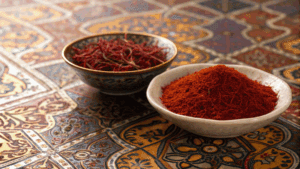
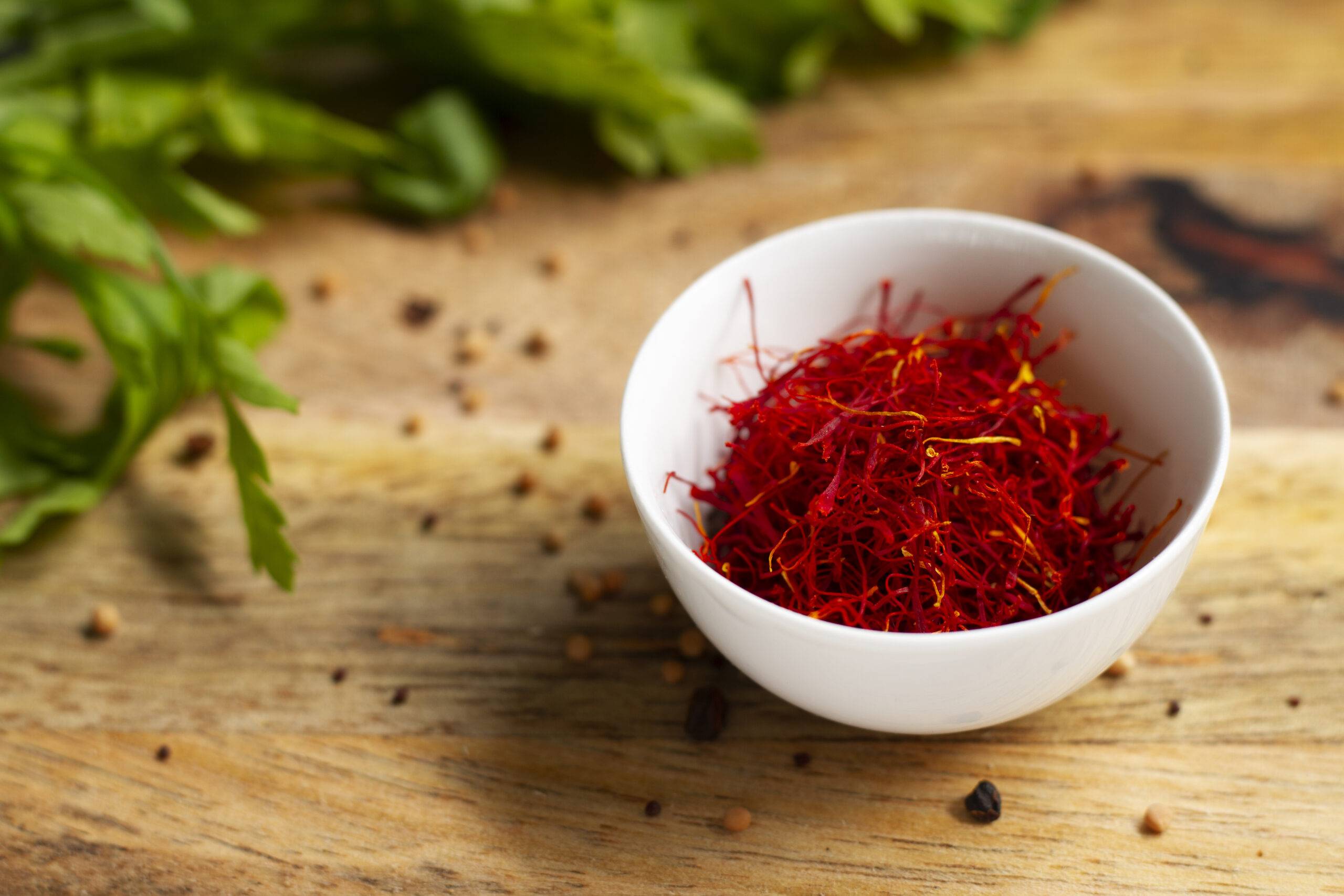
Not all saffron is equal. Look for deep red threads with orange tips, a strong aroma, and verified sourcing. Authenticity matters because adulteration and dilution are common in the market. Learn more about saffron quality and choose brands that provide traceability, batch testing, or a clear description of extraction methods. That is how you ensure you get the beneficial compounds in the right amounts.
FAQ’s
Is saffron safe to use every day?
In culinary amounts saffron is generally safe for most adults. For supplements follow manufacturer guidance. Most clinical trials use defined doses for limited periods. Consult your healthcare provider if you are pregnant, breastfeeding, or taking medications that affect serotonin or blood clotting.
How long until I notice effects?
People report subtle mood shifts in days to a few weeks. Clinical studies typically measure outcomes after four to eight weeks. Expect gradual changes rather than immediate highs. Consistency is more important than intensity.
Can saffron replace my current treatment?
No. Saffron should not replace prescribed treatments without a clinician involved. It can be an adjunct to therapy or medication when approved by a healthcare professional. Work with your care team to decide what is safe and appropriate.
What forms of saffron work best?
Whole threads, culinary infusions, and measured extracts all have value. Whole threads give a sensory ritual and are excellent in food and drinks. Extracts or standardized supplements provide consistent dosing for clinical style use. Choose what fits your lifestyle and needs.
Are there interactions I should worry about?
Yes. Saffron can potentially interact with antidepressants and blood thinners. If you take prescription medications consult your provider before adding concentrated saffron supplements. Culinary use rarely causes interactions but remain cautious with concentrated products.
Using saffron with intention can be a gentle, effective way to support mood and well-being, and works best as part of a broader wellness plan. Try a small, enjoyable ritual first. Observe how you feel over several weeks. If you like structure, pair it with journaling or a short breathing practice to track subtle changes.
Small choices add up, and the right saffron can be a calm companion on days when you need extra balance. Start with a gentle infusion and notice what changes. Saffron can be a warm, fragrant step toward a steadier mood and a more intentional routine.
Disclaimer: These statements have not been evaluated by the Food and Drug Administration. This product is not intended to diagnose, treat, cure, or prevent any disease. Always consult a healthcare professional before starting any new supplement, especially if you are pregnant, nursing, or taking medications.