The Timeless Allure of Saffron
Saffron, scientifically known as Crocus sativus, is a delicate perennial herb from the iris family (Iridaceae) and has been treasured for centuries. With ancient roots in Persia and the Mediterranean, this remarkable spice holds a prestigious place in both global cuisine and culture. Its vibrant color, distinctive flavor, and aromatic fragrance have earned saffron a reputation as one of the world’s most expensive and sought-after spices. Today, regions such as Spain, Greece, Kashmir, and Morocco cultivate saffron, each contributing unique expertise and traditions to this ancient crop.
The Art of Saffron Cultivation
Cultivating saffron requires precision and care. The plant thrives only under very specific conditions, including precise timing, ideal soil, and the right climate. Farmers typically plant saffron corms in late spring or early summer, once the soil has warmed. These bulb-like structures are set 10 to 15 centimeters (4 to 6 inches) deep in well-drained, sandy or loamy soil. Early growth stages demand adequate moisture to help the corms sprout and develop roots. After planting, the corms enter dormancy during the hot, dry summer months, conserving energy for the upcoming flowering season.
The Flowering Season
As autumn arrives, saffron plants emerge from dormancy and begin their brief flowering season, which lasts only two to three weeks. Harvesting must happen quickly to preserve the delicate saffron threads. Weather plays a crucial role, sunny days and cool nights foster healthy blooms, while excess rain or humidity can harm flower quality and increase disease risk. Mediterranean climates with hot, dry summers and mild, wet winters provide the best conditions for successful saffron cultivation.
The Saffron Plant and Its Harvest
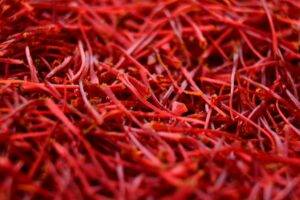
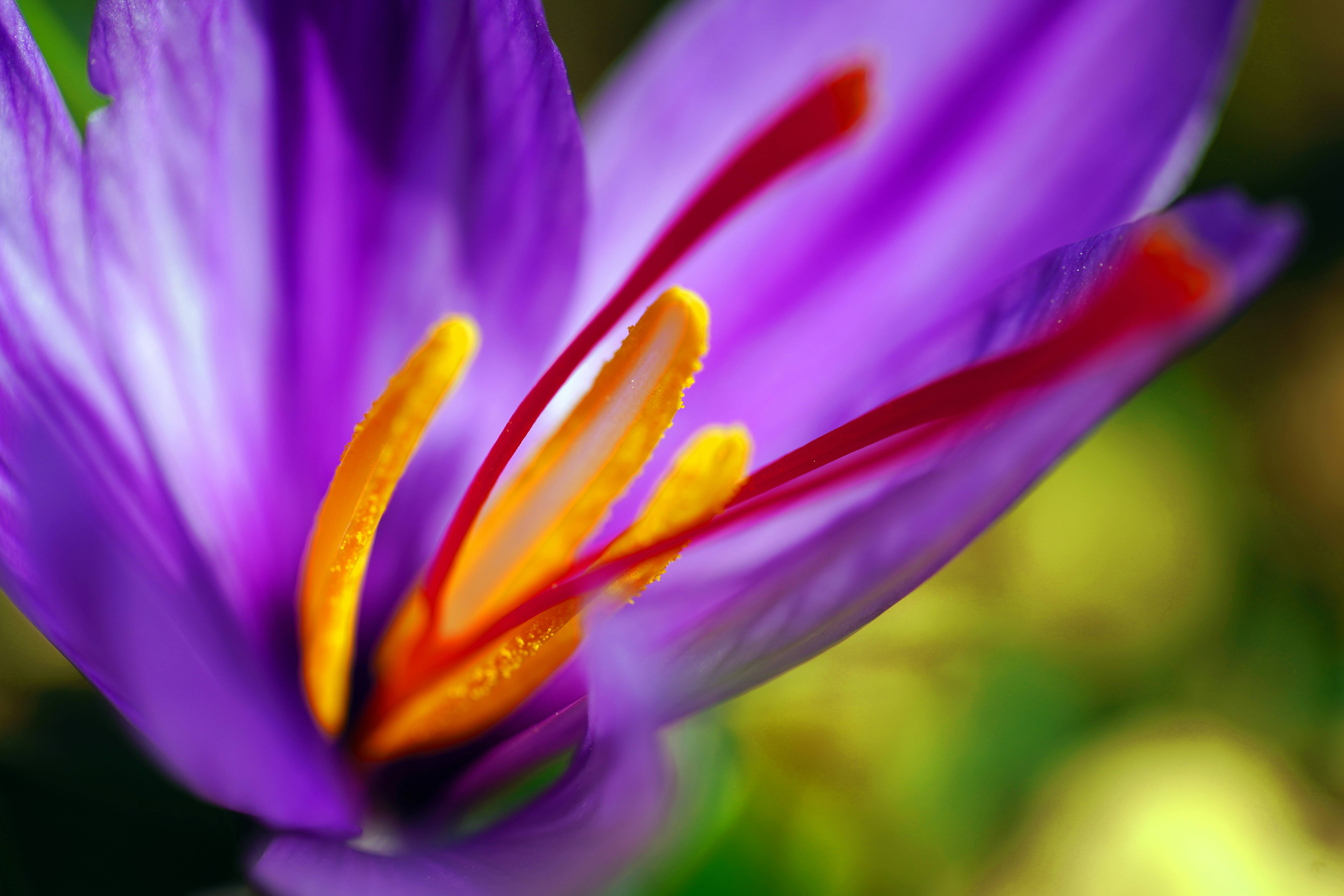
Saffron plants grow to 20–30 centimeters (8–12 inches) and produce slender, grass-like leaves. Each corm yields several autumn-blooming flowers with vibrant lilac-purple petals. The true treasure lies in the brilliant orange-red stigmas at the flower’s center. These crimson threads—saffron strands—are harvested by hand in a meticulous, labor-intensive process. Each flower produces only a few threads, and thousands of blooms are required to produce even a small amount of saffron, contributing to its high value.
Global Cultivation Heritage
Saffron cultivation reflects a living agricultural heritage that spans continents. Ancient Persians pioneered cultivation techniques that still influence growers worldwide. From the sun-drenched fields of La Mancha, Spain, to the high plateaus of Kashmir and the valleys of Morocco and Greece, each region brings unique advantages and traditional knowledge to the craft. The combination of ideal growing conditions, skilled farmers, and time-honored practices creates the premium quality that makes saffron so prized.
Zarafron’s Sourcing Commitment
At Zarafron, we honor saffron’s global heritage by upholding the highest standards for quality and ethical sourcing. We partner exclusively with carefully vetted U.S.-based who share our commitment to excellence, sustainability, and responsible practices.