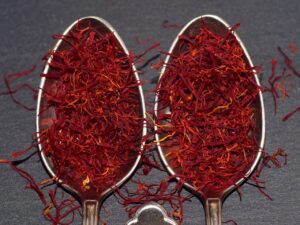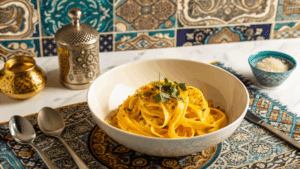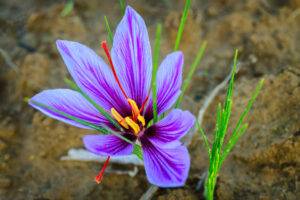
When you bloom saffron, you unlock color, aroma, and depth. It also connects you to centuries of culinary tradition. Read on and learn simple methods, cultural notes, and tips to get the best from each precious thread.
Why Bloom Saffron
Blooming saffron means coaxing the pigments and volatile oils out of the threads before adding them to food or beverages. The process multiplies the perception of flavor. A little bloom also improves color, giving a dish that warm golden hue people love. Use the technique when you make risotto, paella, biryani, sauces, desserts, or warming teas. It is especially helpful when the recipe calls for liquid at the start of cooking, or when you want to infuse an oil or cream.
Three Ways to Bloom Saffron
There are three gentle methods that chefs and home cooks rely on. Each one suits a different use case. Try them and see which you prefer.
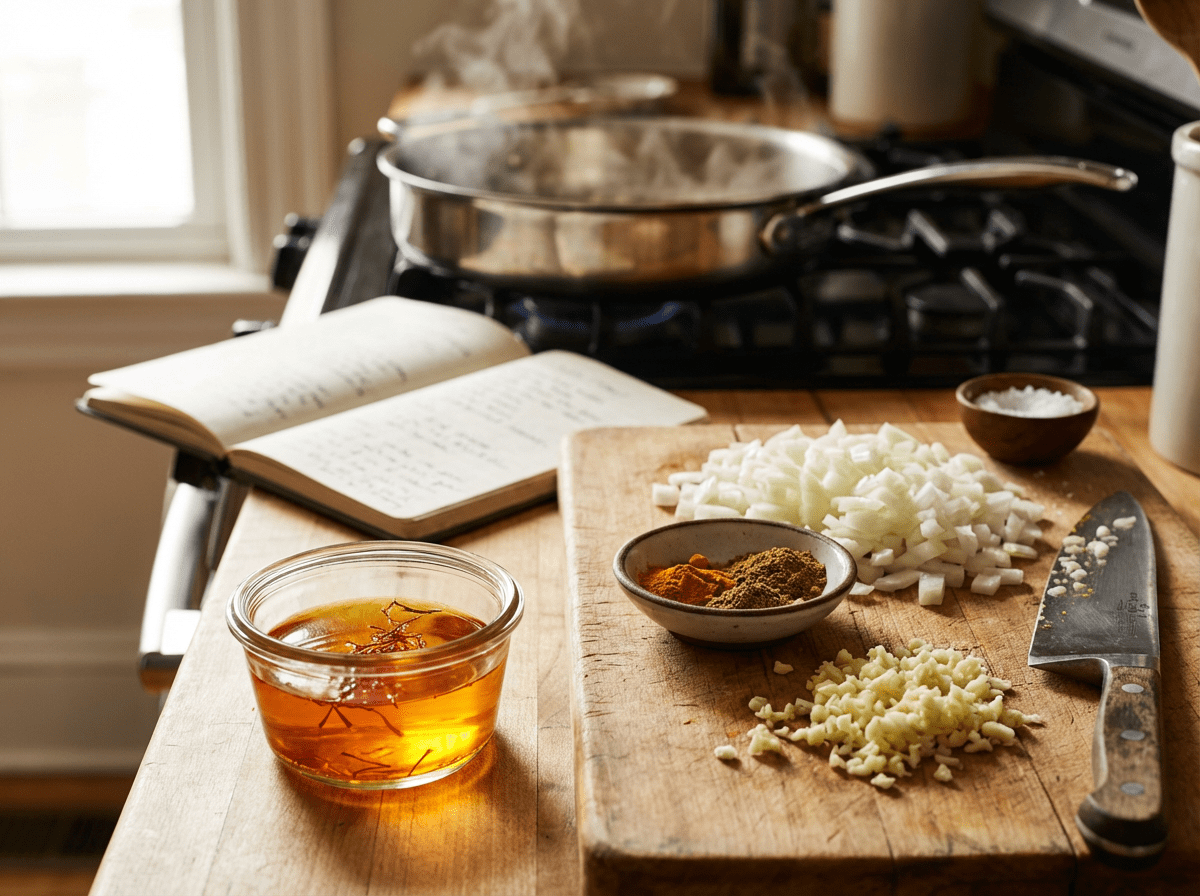
1. Warm Water or Stock. Place a pinch of saffron threads in a small bowl. Add two to three tablespoons of warm water or warm stock. Let sit for 10 to 30 minutes. The color will leach out slowly. Use the threads and the liquid in the recipe. This method is ideal for soups and savory stews.
2. Warm Milk or Cream. For sweets and custards, bloom the threads in warm milk or cream. Heat the milk until it is warm but not boiling, pour over the threads, and let infuse for 15 to 30 minutes. The dairy carries the aroma and makes desserts silkier. This is a classic technique in many Persian and Indian recipes.
3. Dry Toast or Oil Infusion. For toasted or fried preparations, lightly toast threads in a dry skillet for a few seconds, then crush and add to hot oil. Alternatively, steep threads in warm oil for 20 minutes. This works well for bread, sauces, or when you want the spice to integrate with fat.
Practical Tips for Maximum Bloom
Quality matters more than quantity. Use fewer threads of higher quality for a cleaner, brighter bloom. Learn more about saffron quality to understand tests and color indicators. Store threads in a cool dark place. Avoid moisture and light.
Crushing threads helps release color, but be gentle. Use the flat of a knife or a mortar and pestle to gently break them. Too much heat will evaporate aroma. Warm, not boiling, liquid gives the best results. Let time do the work. A slow infusion often yields a more nuanced flavor than a rapid, high heat extraction.
According to research on saffron compounds, the volatile oils and crocin pigments respond to mild heat and time. That means patience pays. If you are making a large batch, bloom more threads proportionally and taste as you go. You can always add more, but you cannot take it away once the flavor is in the dish.
Cultural Notes and Culinary Uses
Blooming saffron is part of many culinary traditions. In Spain, blooming precedes the addition to paella. In Iran and parts of Central Asia, saffron steeped in water or milk flavors rice and sweets. Chefs in India often bloom threads in warm milk to make desserts and biryanis sing. Each culture brings subtle differences in method, but all acknowledge the same truth: pre infusing the spice elevates flavor.
Think of blooming as a small ceremony. It is an invitation to slow down and be intentional with ingredients. Use it when you want a dish to feel special. The ritual adds value beyond flavor. Guests notice the aroma. Home cooks notice how a modest amount of the spice stretches further when properly prepared.
FAQ
How long should I bloom saffron?
Let threads sit in warm liquid for 10 to 30 minutes. For milk or cream, 15 to 30 minutes gives a richer extraction. If you are using oil, 20 minutes at warm temperature works well.
Can I bloom saffron in cold water?
Yes. Cold infusion will extract less color and aroma but it is useful when you want a subtler note. Cold bloom is gentle and works for beverages or when you want minimal color change.
How many threads should I use?
A typical pinch is 8 to 10 threads for a dish serving four people. Use less with high quality threads. Taste and adjust. Remember that the spice is potent and a little goes a long way.
Will boiling ruin saffron?
High heat and prolonged boiling can reduce aroma. Add bloomed saffron toward the end of cooking when possible. If the recipe requires long cooking, bloom first and add the infused liquid later in the process.
Can I reuse bloomed threads?
Once they have been used in a dish, most of the color and aroma are gone. They can still be used as garnish, but do not expect the same intensity on a second use.
Ready to experiment?
Blooming saffron is simple, and makes dishes more aromatic, more colorful, and memorable. Try different methods and notice how the spice shifts between savory and sweet preparations. Start with a dessert or a rice dish this week and bloom a pinch of threads. Share the result with friends and invite them to notice how a little attention changes everything.