Holidays with Saffron begins with a color and a scent. Think of mornings that glow, kitchens that smell like warm memories, and tables that feel a little more sacred. Saffron has long been woven into holiday customs across cultures. Its vivid threads show up in celebratory rice, in sweet breads, in fragrant stews, and even in ceremonial teas. This post explores how a single spice can carry history, ritual, and comfort into the heart of seasonal gatherings. If you love tradition and thoughtful flavors, you will enjoy seeing how saffron has shaped holidays around the world.
Holidays with Saffron in Global Traditions
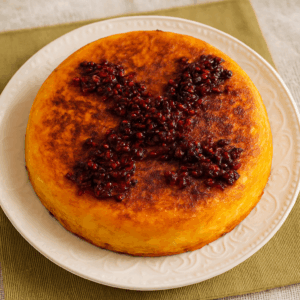
Saffron appears in holiday stories from Spain to India to Iran. In Spain, saffron flavors the classic paella and festive rice dishes served during family gatherings. In Iran, it appears in celebratory sweets and rice dishes at Nowruz, the Persian new year, where its golden hue symbolizes light and renewal. In India, saffron perfumes milk desserts and special pulaos during Diwali and Eid, adding both aroma and a sense of luxury.
The spice often marks important moments. Families use it when they want to elevate an everyday meal into something memorable. According to research on culinary anthropology, spices like saffron carry social meaning as much as flavor. They signify care, hospitality, and the desire to make an occasion special.
How Saffron Shapes Holiday Flavors and Rituals
Saffron does several things at once. It adds color that reads as celebratory. It brings a complex floral note with subtle honey and hay nuances. It also signals intent. Giving saffron or using it in a dish tells guests that time and thought went into the meal.
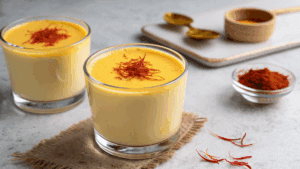
In many Mediterranean celebrations, saffron is paired with seafood and short cooked rice to highlight freshness. In South Asian households, it infuses warm milk for sweet kheer or flavors fried breads and rich meat stews. In Northern Europe, saffron turns into a centerpiece in baked goods like saffron buns during winter festivals. Each tradition adapts the spice to available ingredients and local tastes, but the effect remains similar. The spice makes even simple recipes feel ceremonial.
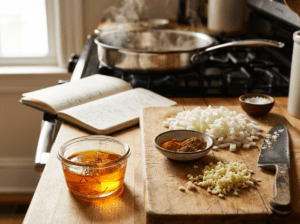
Hosts should consider saffron quality as you plan holiday dishes. Choosing high quality saffron changes both aroma and appearance, and a little of the real thing goes a long way. Soak threads in warm water or milk to release color slowly, and add them early enough to meld with the dish but late enough to preserve fragrance.
Practical Tips for Bringing Saffron into Your Holiday Table
First, buy from a trusted source and check for deep red threads with slightly lighter tips. Avoid powdered blends that may contain fillers. Second, bloom saffron in warm liquid for at least 10 to 20 minutes before adding it to a recipe. This releases color and aroma. Third, start with small amounts. For a family sized dish, a few strands are usually enough. Taste and adjust rather than overpowering the dish. Fourth, pair saffron with complementary ingredients like citrus, warm spices, honey, and butter to build balanced flavors.
For beverage rituals, steep threads in warm milk or water to create a fragrant infusion. Add honey or cardamom for a simple holiday drink that soothes and lifts spirits. For baking, mix saffron into liquid elements so it disperses evenly. For rice, add the saffron infusion near the end or use it to dye a portion of the rice for visual contrast.
As you prepare and plan for your dishes, think about practical steps that help you get the best from each thread and use saffron thoughtfully.
Modern Uses and Sustainable Practices
Today, chefs and home cooks experiment with saffron in new ways. You might find it in infused syrups, compound butters, cocktails, and even in holiday ice creams. The trend reflects a desire to bring classic flavors into modern formats while honoring tradition.
At the same time, sustainability matters. Saffron is labor intensive to harvest. Supporting suppliers who use ethical practices ensures the spice supports communities. When you buy small amounts of premium saffron, you promote quality over quantity and encourage fair labor practices.
How much saffron should I use in holiday recipes?
Start with a few threads for a family dish. For a pot of rice for four to six people, three to eight threads give color and aroma without overwhelming the dish. Adjust by taste and recipe volume.
Can I substitute saffron with other spices?
No exact substitute exists for saffron. Turmeric gives color but not the floral aroma. Some blends mimic color and a hint of flavor, but they lack the real depth. If saffron is unavailable, focus on complementary spices and citrus to build complexity.
How should I store saffron for holidays and beyond?
Keep saffron in an airtight container, away from light and heat. Stored properly, threads can retain their profile for up to two years, though their aroma fades slowly. Use fresher threads for the most vibrant holiday impact.
Is saffron safe during pregnancy and for children?
Small culinary amounts are generally considered safe. However, consult a healthcare provider for personalized advice, especially for concentrated extracts or medicinal doses.
Using saffron during holidays is about more than flavor. It is a thread that ties food to memory, culture, and celebration. Whether you fold it into a rice dish handed down for generations or try a new saffron infused honey for guests, the spice invites reflection and warmth.
Wrap your seasonal menu around quality ingredients and thoughtful techniques. Learn more about saffron quality and consider gifting small jars to close friends and family who appreciate calm luxury. According to research on culinary traditions, shared meals with meaningful ingredients strengthen social bonds. Let saffron be one of those meaningful details this season!