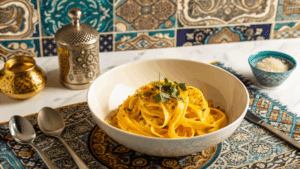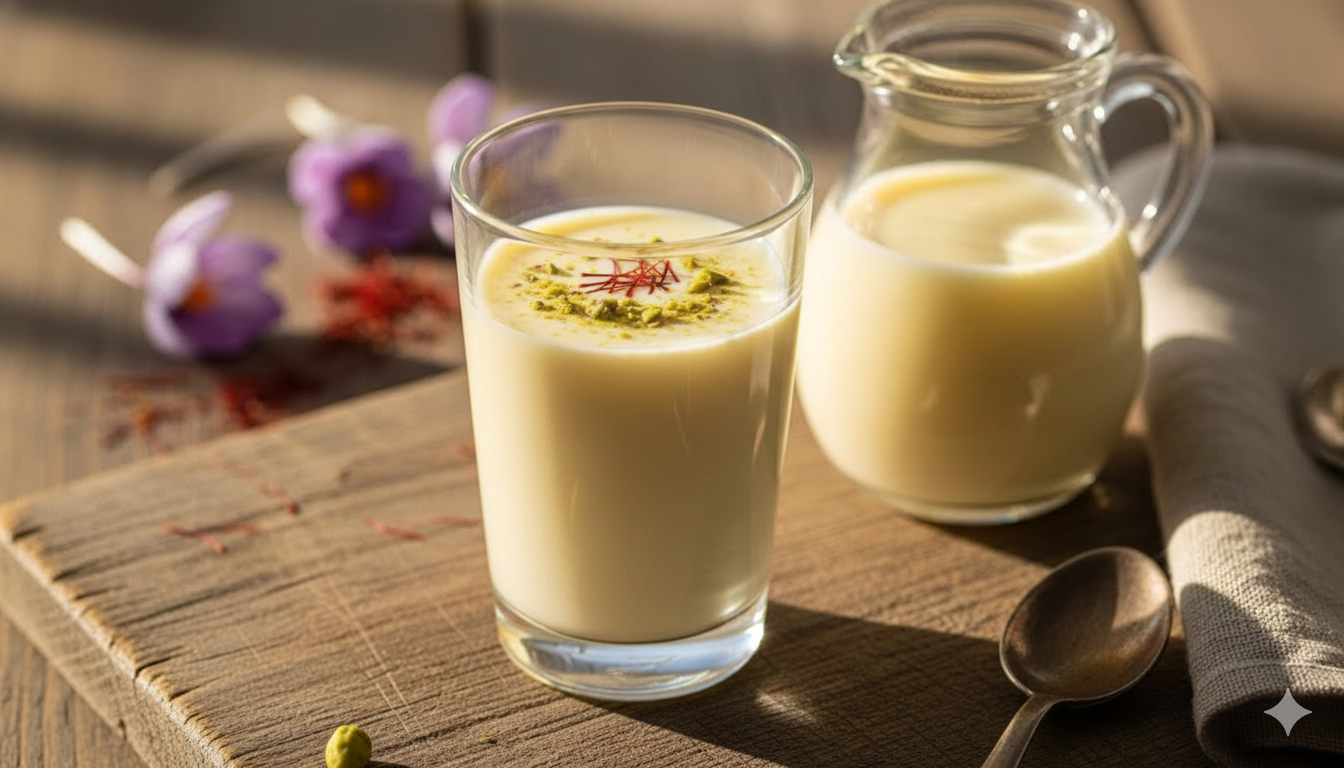
There is something quietly luxurious about a simple cup of saffron milk. It warms the hands and the mood. In many homes around the world this pairing signals care, ritual, and a gentle moment of indulgence. The aroma is floral and honeyed, the color a soft sunrise. It is not just a drink. It is a cultural thread that ties family rituals to wellness traditions. In this post I will walk you through the history, the best ways to prepare it, and why it feels so restorative.
Why saffron milk matters
Saffron milk has been cherished for centuries across Persia, India, and Mediterranean cultures. The spice comes from the dried stigmas of the crocus flower. Harvesting is meticulous and time consuming, which is why saffron carries a premium. Mixed with warm milk it releases its volatile oils and color easily, creating a comforting beverage with aromatic complexity. According to research saffron contains compounds that may influence mood and inflammation, though a cup of saffron milk is enjoyed mostly for pleasure and ritual rather than as a medical treatment.
How different cultures enjoy it
In Iran a small pinch of saffron dissolved in hot milk becomes an evening comfort, sometimes sweetened with honey and often served to guests; in India it shows up in festive drinks like kesar doodh and in sweet dishes such as kheer; in Spain saffron more commonly graces rice and stews, but the idea of infusing it into dairy is familiar wherever saffron is prized. The methods vary. Some steep the threads directly in milk, others bloom them first in warm water or warm milk to extract the color completely. Each way changes intensity and mouthfeel.
Simple recipe for saffron milk
This recipe keeps things elegant and approachable. It highlights the saffron without overpowering the milk. Use good quality saffron for the best result. Learn more about saffron quality if you want tips on selecting threads.
Ingredients for two servings
Whole milk 2 cups
Saffron threads 8 to 12 threads
Honey or sugar to taste
Cardamom pod or a pinch of cinnamon optional
Method
Lightly crush the saffron threads between your fingers or in a small mortar to release oils. Warm one tablespoon of milk and add the threads, letting them bloom for five to ten minutes until the liquid turns golden. In a saucepan heat the remaining milk gently until it is warm but not boiling. Add the saffron infused milk and stir. Sweeten with honey or a little sugar. For a spiced note add a gently crushed cardamom pod while heating the milk, then remove before serving. Pour into cups and enjoy slowly.
Taste tips and variations
If you want a richer result use part cream or simmer the milk slightly longer to concentrate flavors. For a lighter version use almond milk or oat milk, but expect subtle differences in texture and how the spice expresses itself. For a dessert facing add a touch of rose water or a sprinkle of chopped pistachios on top. If you prefer a stronger saffron color and aroma bloom more threads longer in warm liquid. Always start with less and adjust; saffron is potent and a little goes a long way.
Quality, sourcing, and storage
Quality matters with saffron. Look for deep red threads with a slightly orange tip and avoid any powder sold in opaque containers, which can hide dilution. Store saffron in an airtight container away from light to preserve aroma. Small amounts keep better than large jars. If you are curious about grades and authenticity Learn more about saffron quality and sourcing to ensure you get genuine threads.
Why bloom saffron?
Blooming extracts color and aroma more efficiently than adding threads directly. Cold liquids do not coax out the volatile compounds the way warm liquid does. Blooming also helps you judge the intensity before adding saffron to the full amount of milk.
Can I drink it daily?
Many people enjoy a cup daily as part of a ritual. In general moderate intake is fine, though large amounts of saffron in concentrated forms may have effects. If you have health concerns consult a professional. According to research moderate culinary use is considered safe for most adults.
Can saffron stain?
Yes. The color is intense and can stain fabric or porous surfaces. Rinse spills quickly with cold water and avoid drips on light linens. When preparing saffron milk use a sturdy countertop or a tray to catch any splashes.
Is there a non dairy version?
Yes plant based milks work well. Oat milk carries a creamy mouthfeel similar to dairy and pairs nicely. Almond milk can be more delicate and may show off the saffron aroma. Heat gently and do not boil to preserve texture.
Conclusion
Saffron milk is a small ritual that feels like a gift to yourself or to someone you care for. It combines sensory delight with cultural resonance and simple technique. A few saffron threads, warm milk, and a moment of attention are all you need to create something quietly luxurious. Try the simple recipe, experiment with variations, and you will find a version that fits your taste. If you enjoyed this guide, explore other saffron recipes or learn more about saffron quality to deepen your practice.