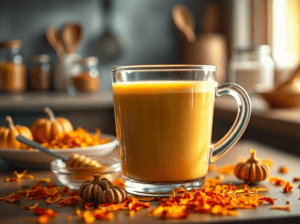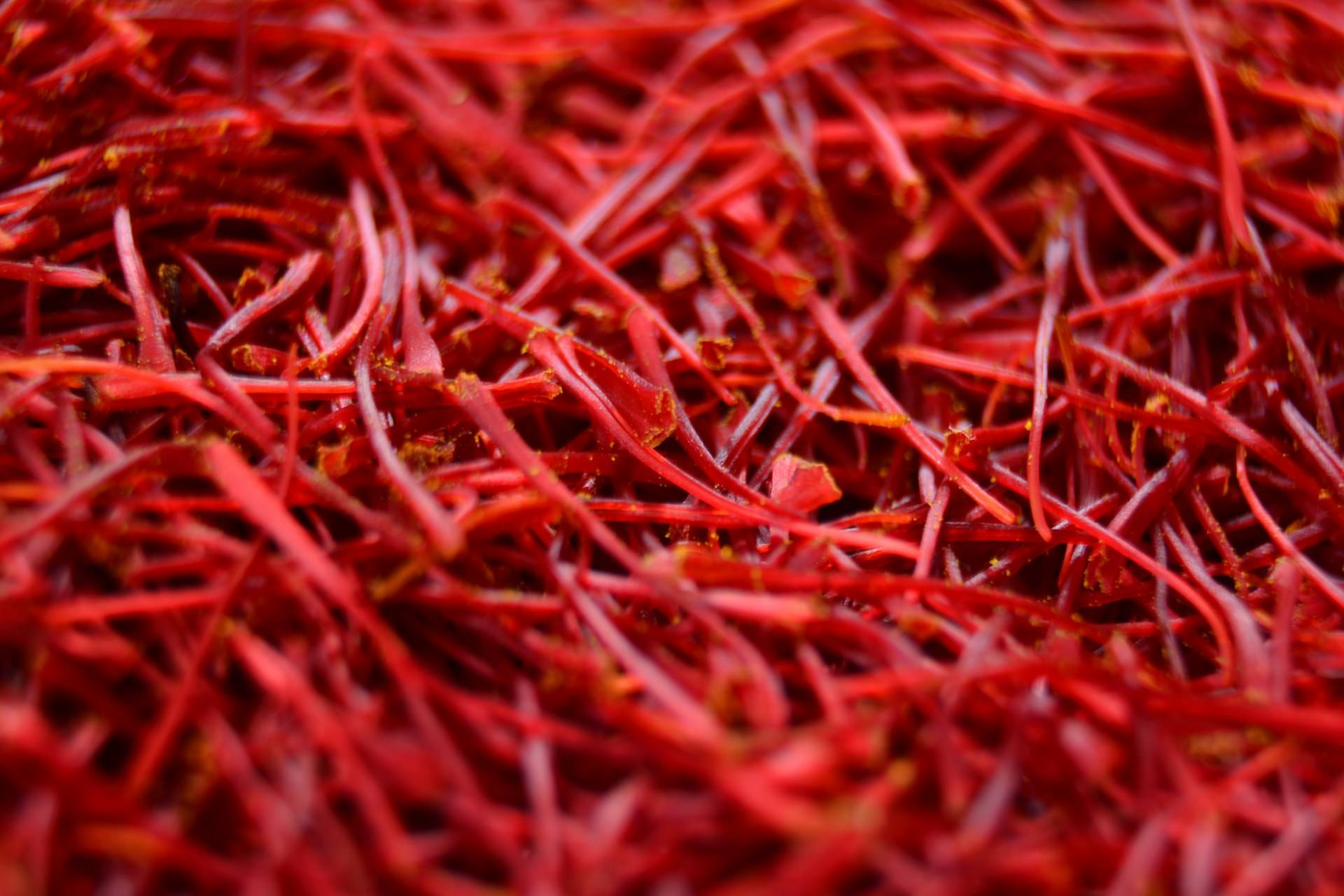
Saffron is renowned not just for its vibrant golden hue and storied history, but also for its truly unique flavor. As the heart of Zarafron’s mission is to celebrate saffron in its purest, most authentic form, let’s explore what makes saffron’s taste so remarkable and why it’s cherished in kitchens and wellness rituals around the world.
The Essence of Saffron’s Flavor
Saffron’s taste is subtle yet complex, delicate, earthy, and slightly sweet, with a hint of bitterness that balances its floral notes. The first thing you’ll notice is a gentle, honey-like aroma, followed by a flavor that unfolds slowly: think of warm hay, sun-dried grass, and a whisper of metallic minerality. There’s a faintly creamy texture and a lingering finish that’s both comforting and uplifting.
Key Flavor Notes
- Earthy: Saffron’s earthiness grounds its flavor, reminiscent of fresh soil and autumn leaves.
- Floral: There’s a subtle fragrance, like wildflowers or a field after rain—delicate, never perfumey.
- Honeyed Sweetness: A gentle, natural sweetness that brings warmth to both savory and sweet dishes.
- Bitter Undertone: A slight bitterness, similar to cocoa nibs or artichoke, that adds depth and sophistication.
- Umami: Saffron’s savory quality enhances the taste of broths, rice, and stews, making flavors richer and more harmonious.
How Saffron’s Taste Transforms Dishes
When used in cooking, saffron acts like a natural flavor enhancer. In rice dishes (like Persian tahdig or Spanish paella), it imparts a golden color and a gentle, aromatic lift. In teas and elixirs, it adds a calming, almost honeyed note. Even in desserts, a few threads can turn a simple custard or cake into something extraordinary.
Why Saffron’s Quality Matters
High-quality saffron is prized for its higher concentration of key bioactive compounds: crocin (for color), safranal (for aroma), and picrocin (for taste). These compounds are what give saffron its signature flavor and health benefits. Lower-quality saffron (or adulterated products) often lack this depth, resulting in a dull or musty taste.
How to Experience Saffron’s Flavor
- Use just a few threads (2-3 for tea, 5-7 for dishes serving 4-6) to avoid overpowering other ingredients.
- Grind saffron with a mortar and pestle, then infuse in hot (not boiling) water for 15-20 minutes to release its full flavor and color.
- Try saffron in both savory and sweet recipes—rice, stews, teas, cakes, or even cocktails.
Final Thoughts
Saffron’s taste is as much about sensation as it is about flavor, a delicate balance of earth, flower, and sun. It’s an experience rooted in tradition, one that connects you to centuries of culinary and wellness rituals. Whether you’re sipping a saffron elixir or savoring a saffron-infused dish, you’re tasting a little bit of history—one golden thread at a time.